Busbars Solutions
Power Distribution is Becoming a Critical Design Consideration
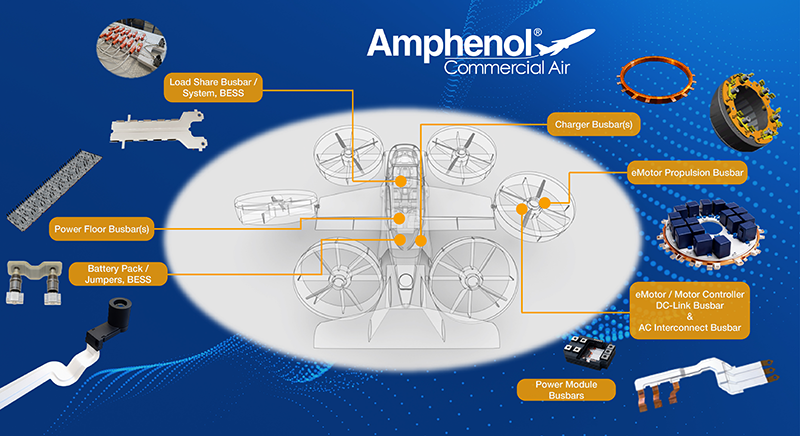
Modern harsh-environment platforms across aerospace and defense applications are pushing the upper limits on power distribution. Higher voltage, tighter packaging, greater thermal load, and more complex integration requirements have spurred the need for busbars as a central part of the system architecture Higher operating voltages, increased power density, tighter packaging constraints, greater thermal demands, and increasingly complex system architectures are driving the adoption of advanced busbar solutions as a critical element of modern electrical systems.
Amphenol Commercial Air (ACAD) designs and develops custom busbar solutions for power conversion, distribution, propulsion, shielding, and connector integration within high-density, space-constrained platforms. Amphenol’s busbar solutions enable the efficient transfer of high current through compact, high-voltage systems while delivering the reliability and performance demanded by today’s aerospace and defense applications.
High-Voltage Busbar Solutions for High-Current Power Distribution
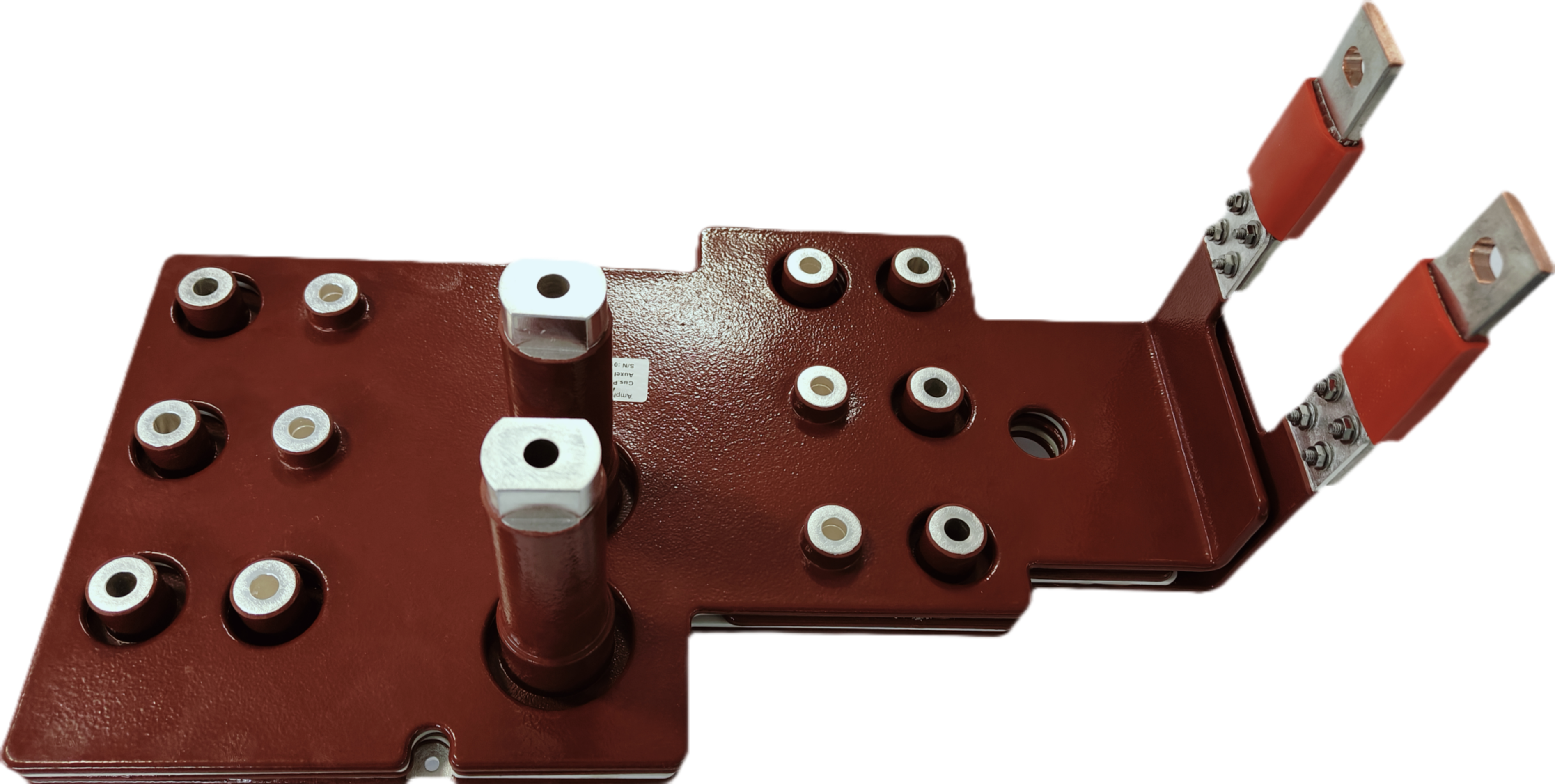
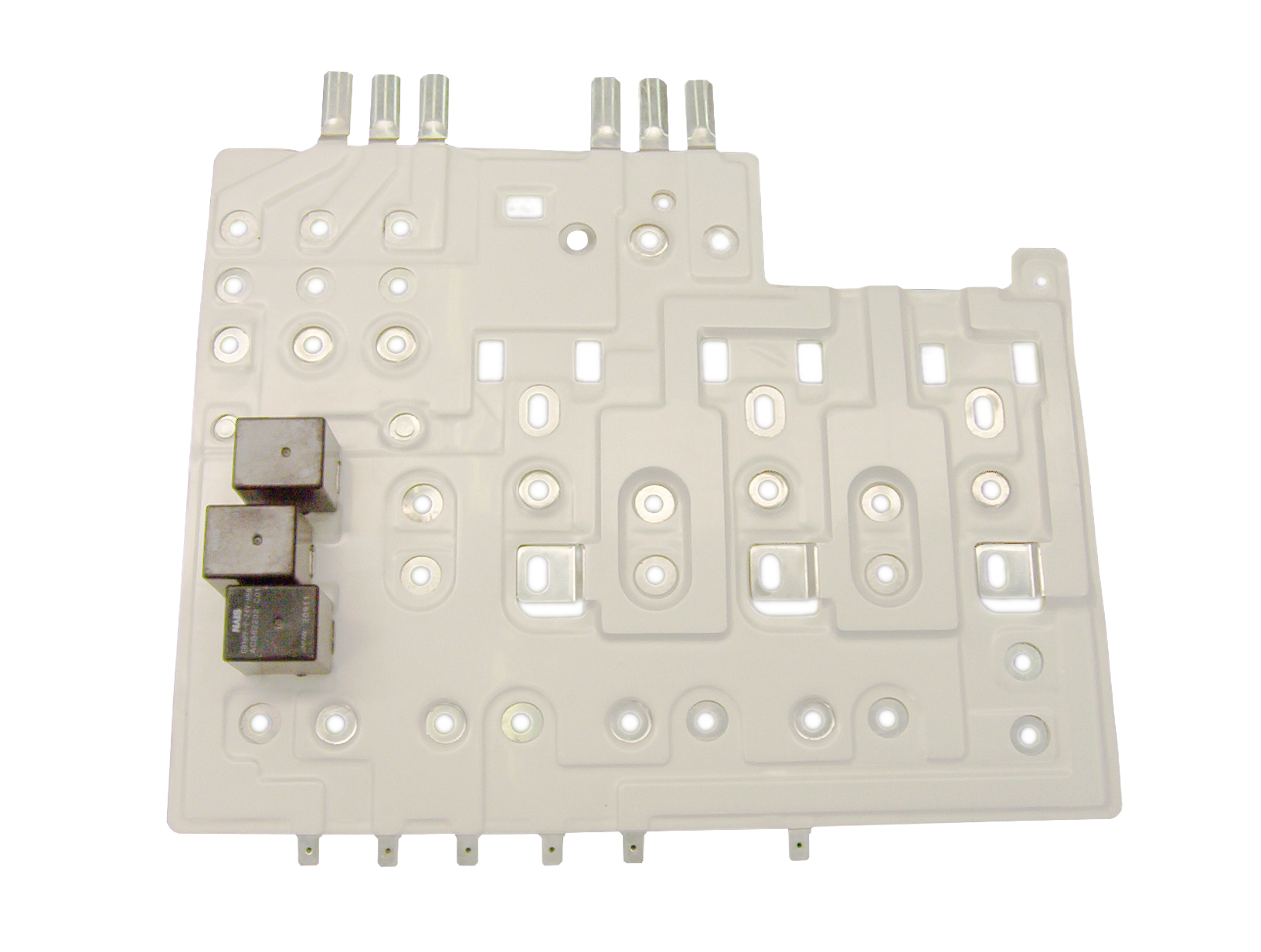
As aerospace and defense platforms demand greater electrical power and higher current densities, power distribution is increasingly influencing overall system architecture. Designers must move more power through systems that remain compact, lightweight, thermally efficient, mechanically robust, and serviceable throughout the life of the platform.
Rising current levels and increasingly constrained packaging can make traditional cabling difficult to incorporate. Larger, higher-current cables require greater bend radii and additional routing space, limiting flexibility within tightly integrated systems. Custom electrical busbars complement conventional cable and wiring assemblies by allowing the power path to be shaped around the system architecture, helping optimize space, simplify integration, manage thermal demands, and efficiently distribute high-current power through increasingly dense platforms.
What Is a Busbar? What Are They Used For?
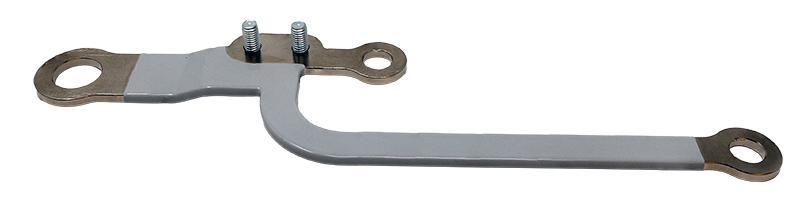
A busbar is a high-current electrical conductor, typically made from copper or aluminum, used to efficiently distribute power between electrical components while reducing wiring complexity, resistance, and weight.. In its simplest form, an electrical busbar can be a flat bar, strip, plate, or rod. More advanced designs can include a laminated busbar, powder-coated busbar, flexible busbar, braided busbar, a printed circuit board (PCB) integrated busbar, or a fully integrated busbar assembly designed around the electrical, thermal, mechanical, and packaging requirements of the application.
Busbars are used wherever designers need a compact and efficient method to move power between sources, loads, circuits, connectors, and assemblies. By consolidating multiple current paths into a purpose-designed conductor, busbars can simplify system architecture and assembly, improve repeatability, and help manage voltage drop, thermal performance, and electromagnetic effects.
In harsh environment applications, busbars can become an integral part of the overall power architecture. High-voltage busbars may need to operate near sensitive electronics, fit within tightly constrained packaging envelopes, accommodate multiple connector interfaces, and maintain reliable performance under vibration, shock, temperature extremes, humidity, altitude, and demanding service-life requirements.
What Are Busbars Made Of?
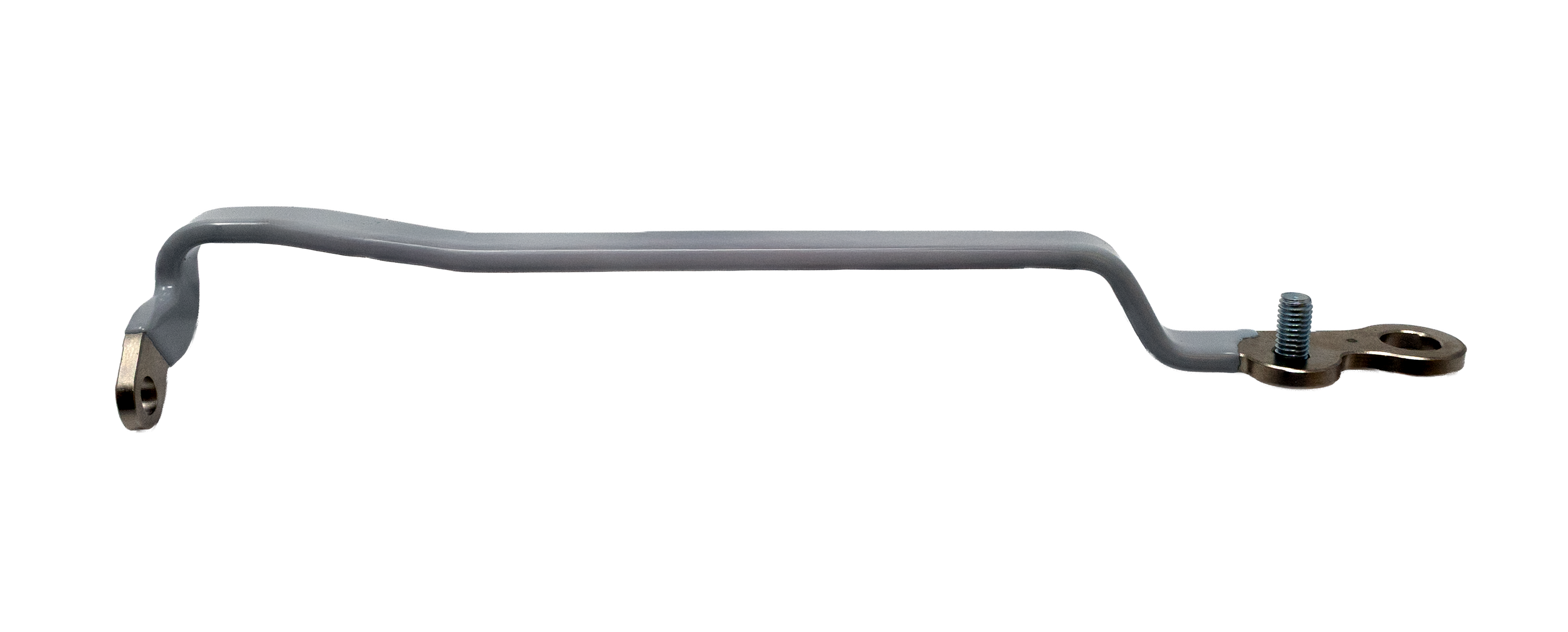
The most common busbar material is copper or aluminum. Copper busbars are often selected when conductivity, current density, and compact packaging are priorities. An aluminum busbar may be used when weight reduction is a central design driver. In some systems, copper and aluminum can also be combined or joined when the design requires both conductivity and weight optimization.
Copper and aluminum are the most common materials used in busbar construction, with each offering distinct performance advantages. Copper busbars, including flexible busbar designs, are typically selected when high electrical conductivity, current-carrying capacity, and compact packaging are key priorities. Aluminum busbars provide a significant weight advantage compared with copper, making them an attractive option for applications where minimizing overall system weight is a key design priority. In certain applications, copper and aluminum may be combined or joined to balance electrical performance, weight, and overall system requirements.
A Variety of Busbar Options
Laminated Busbars
- Range of lamination materials for different temperature requirements, fluids, etc.
- Best performing at high voltages and altitude, including partial discharge mitigation
- Shielded busbars possible with this laminated technology
- Tooling required for laminating as well as forming
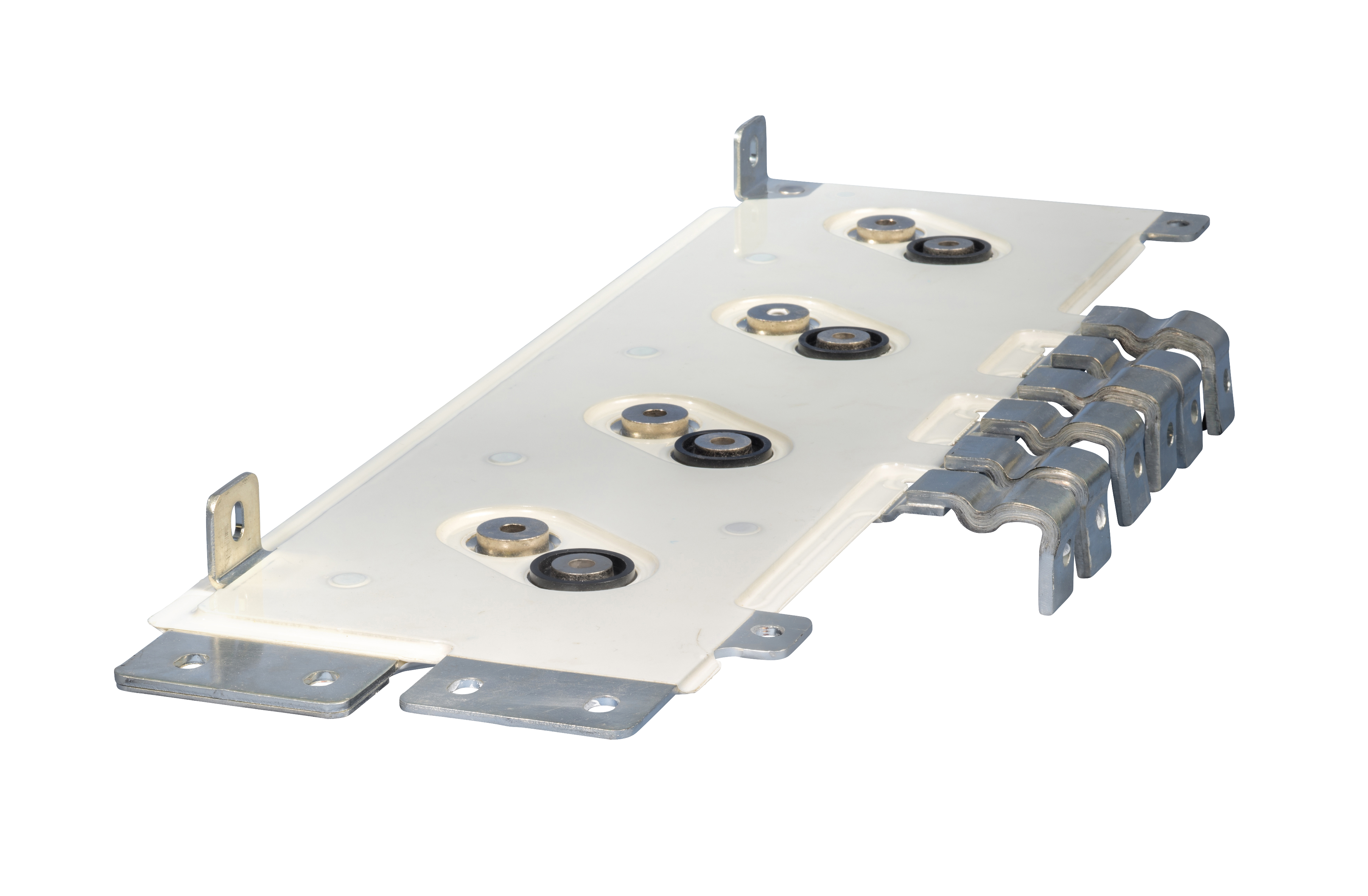
Advantages of Laminated Insulation
Laminated busbars use thin dielectric films bonded to one or more sides of the conductor. Common materials can include polyimide, polyester, PEN, PTFE/FEP-based films, and other application-specific dielectrics.
- Excellent dielectric performance in a thin, compact package
- Supports tight creepage and clearance requirements
- Well suited for complex multilayer and high-density designs
- Can provide repeatable, controlled insulation thickness
Powder-Coated Busbars
- Multiple off-the-shelf powder coating formulations available depending on performance needs
- Good fluid resistance
- High voltage capable
- Limited tooling required depending on geometry
- Low upfront cost/shorter lead times
- Best for prototype situations
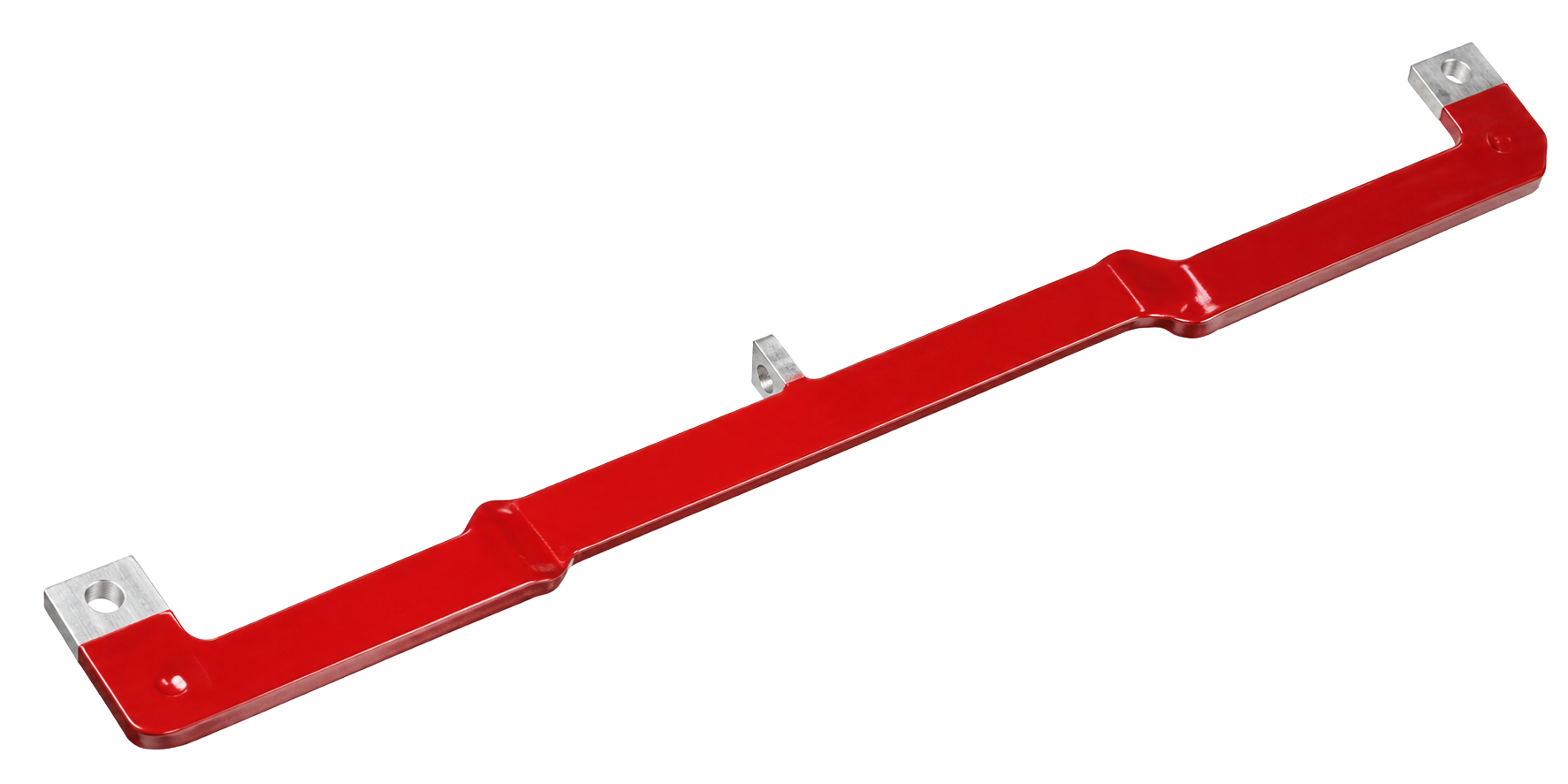
Advantages of Power-Coated Insulation
Powder coating is done by applying a dielectric coating directly to the busbar surface, creating a durable insulating layer around the conductor.
- Durable and mechanically robust insulation
- Good resistance to abrasion, chemicals, moisture, and environmental exposure
- Can accommodate relatively complex busbar geometries
- Provides a continuous coating around exposed conductor surfaces
Overmolded Busbars
- Typically molded rubber, excellent sealing to surface of conductor
- Can be designed with an integral sealing feature and insulated fasteners
- Very good high-voltage performance at altitude
- Tooling required for molding process as well as forming
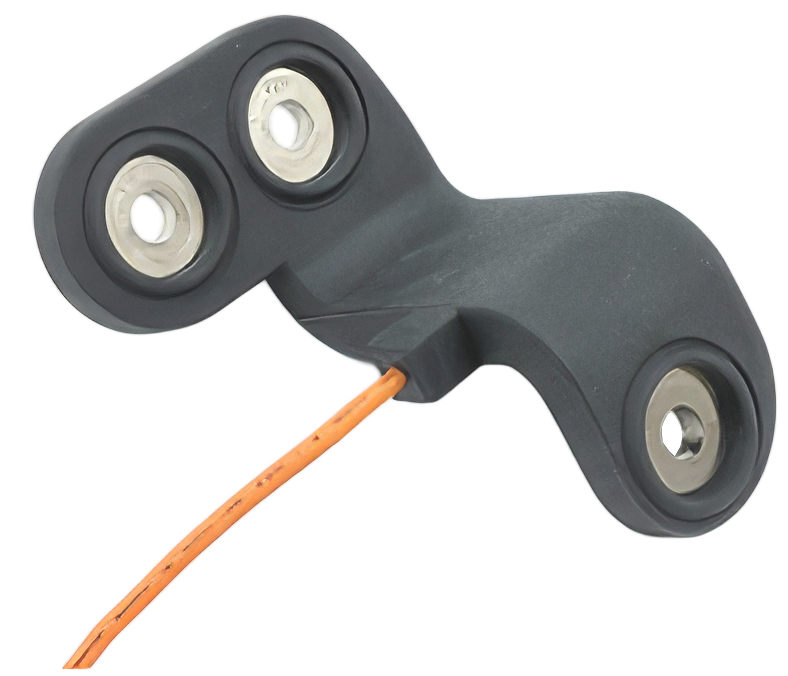
Advantages of Overmolded Insulation
Overmolding encapsulates the busbar within a molded polymer material, creating an integrated electrical and mechanical assembly.
- Provides excellent environmental protection and mechanical retention
- Enables complex three-dimensional geometries and integrated mounting features
- Well suited for highly integrated assemblies
Flexible Busbars
- Designed to accommodate tolerance stackups and improve routing
- Typically copper with a range of insulations for various performance levels
- Variable flexibility and pre-form geometries available
- Limited tooling required depending on design
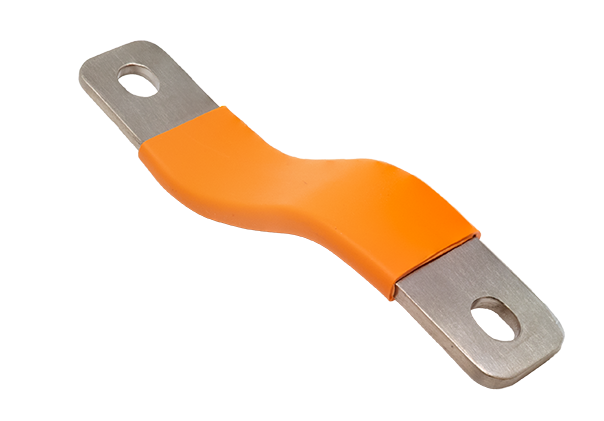
Busbar Construction: Flexible Interconnect
| Solutions | Flex Busbar Images | Maximum conductor dimensions (thickness and/or width) |
Insulation | Flexibility | Stress on components | Advantages |
|---|---|---|---|---|---|---|
| Braided Busbars |
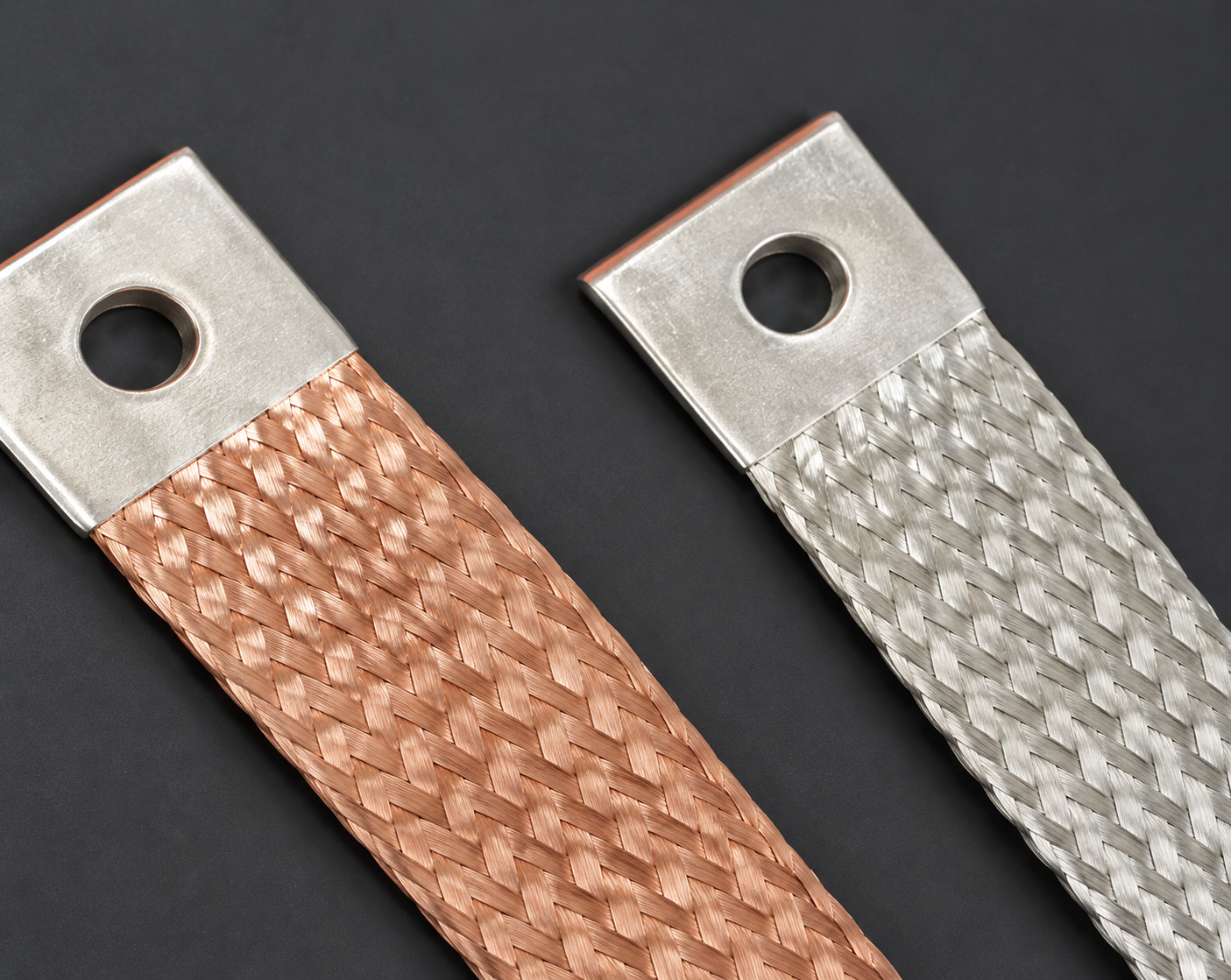 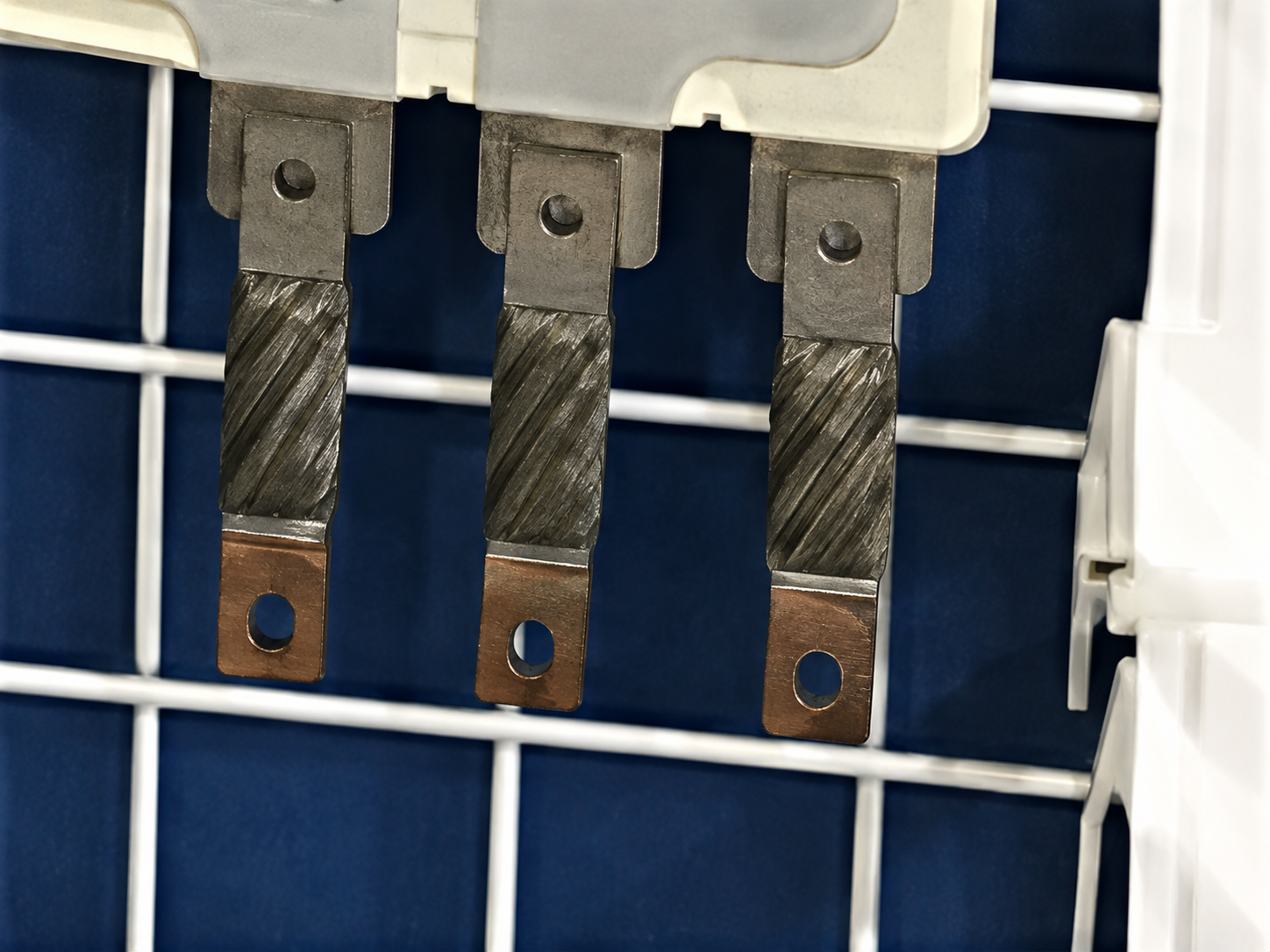 |
Max cross-section: 240mm² |
In option | 3 axes | +++ | Can be part of a laminated busbar system; cost and flexibility (3 axes) |
| Ultra-Flexible Busbars |
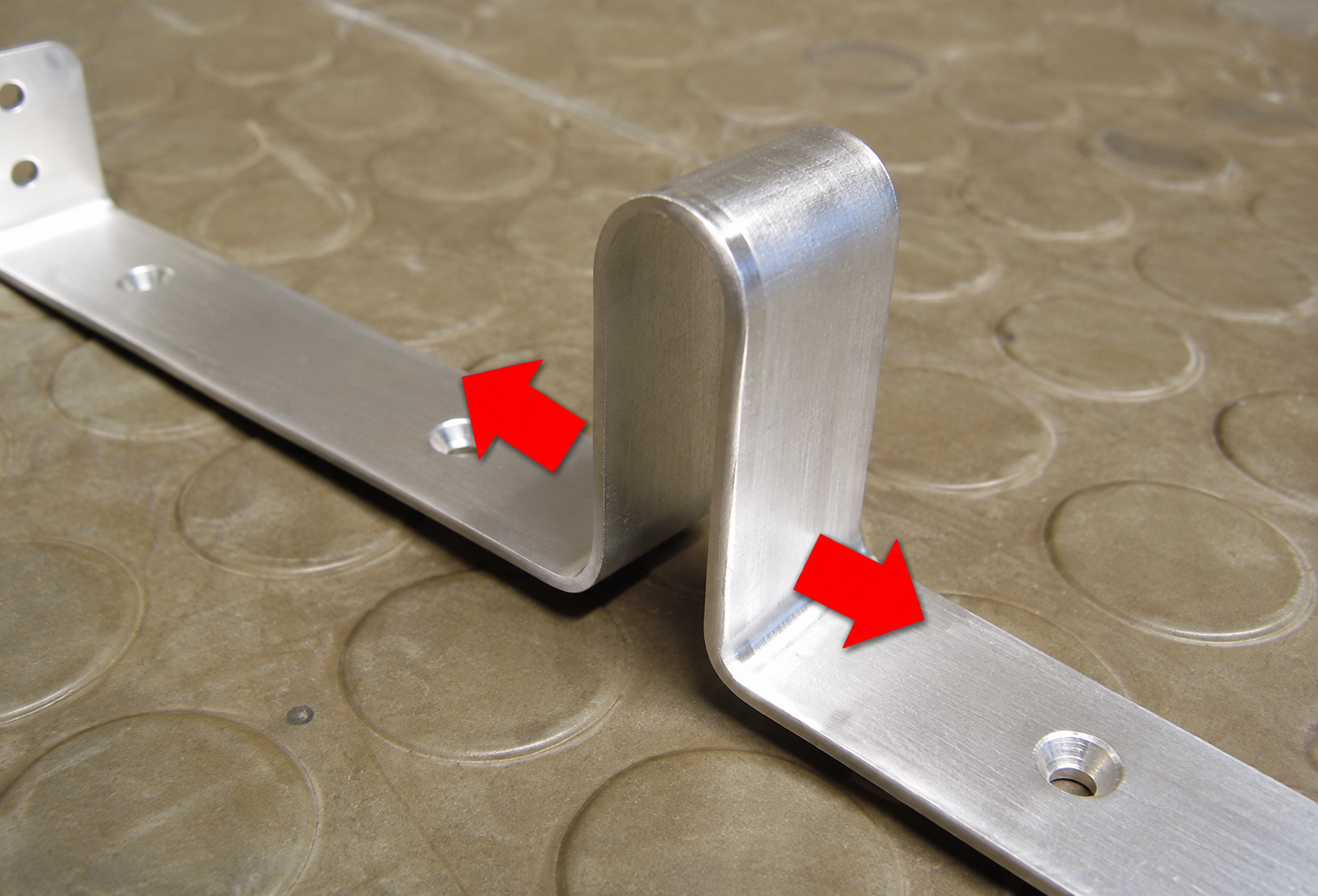 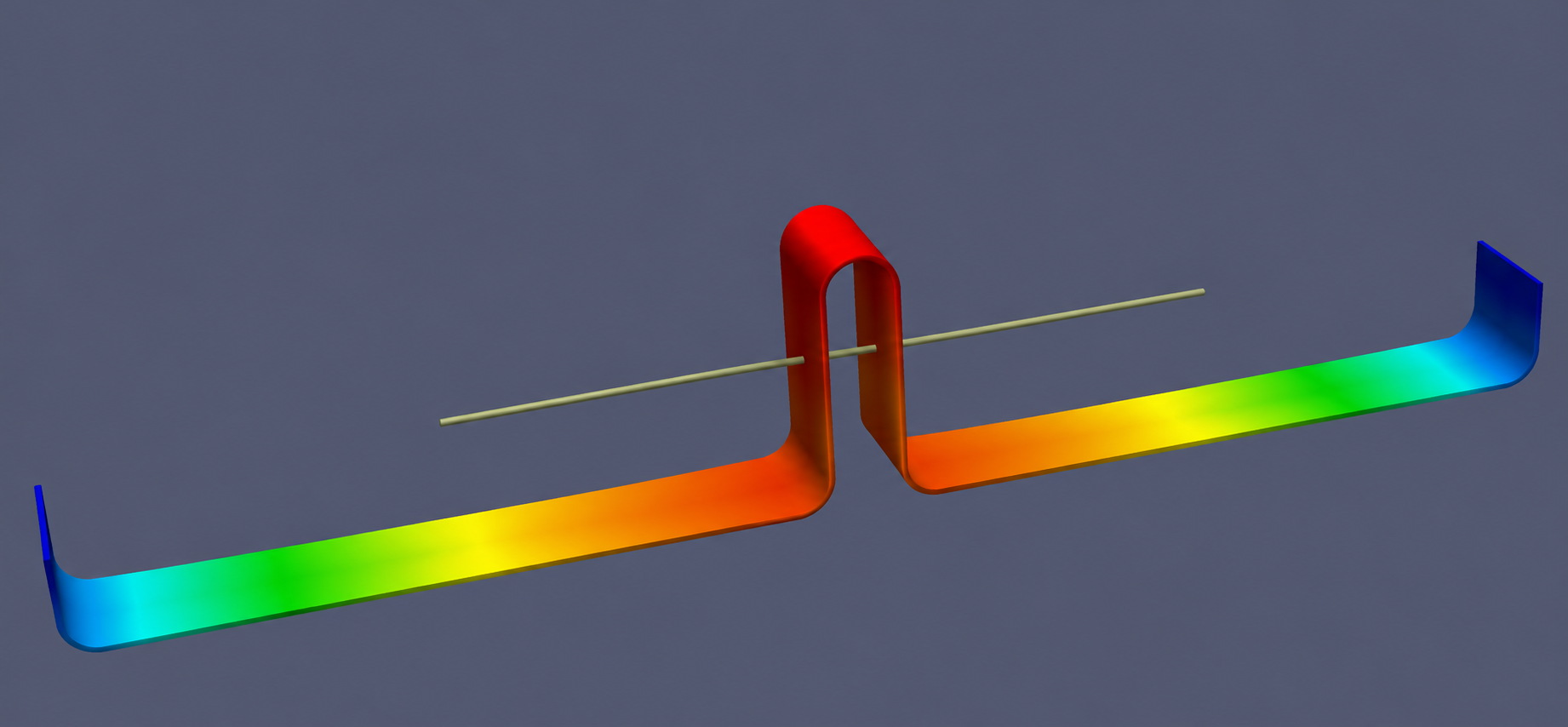 |
- Standard 0.8mm per layer; thicker conductors also possible - Possibility to stack several layers |
In option | - 2 axes - Up to 3 axes depending on the design |
++ | - Minimum stress on external components - Position gravity independent - Easy installation and better security |
| Thin Insulated Copper Conductors (Film) | 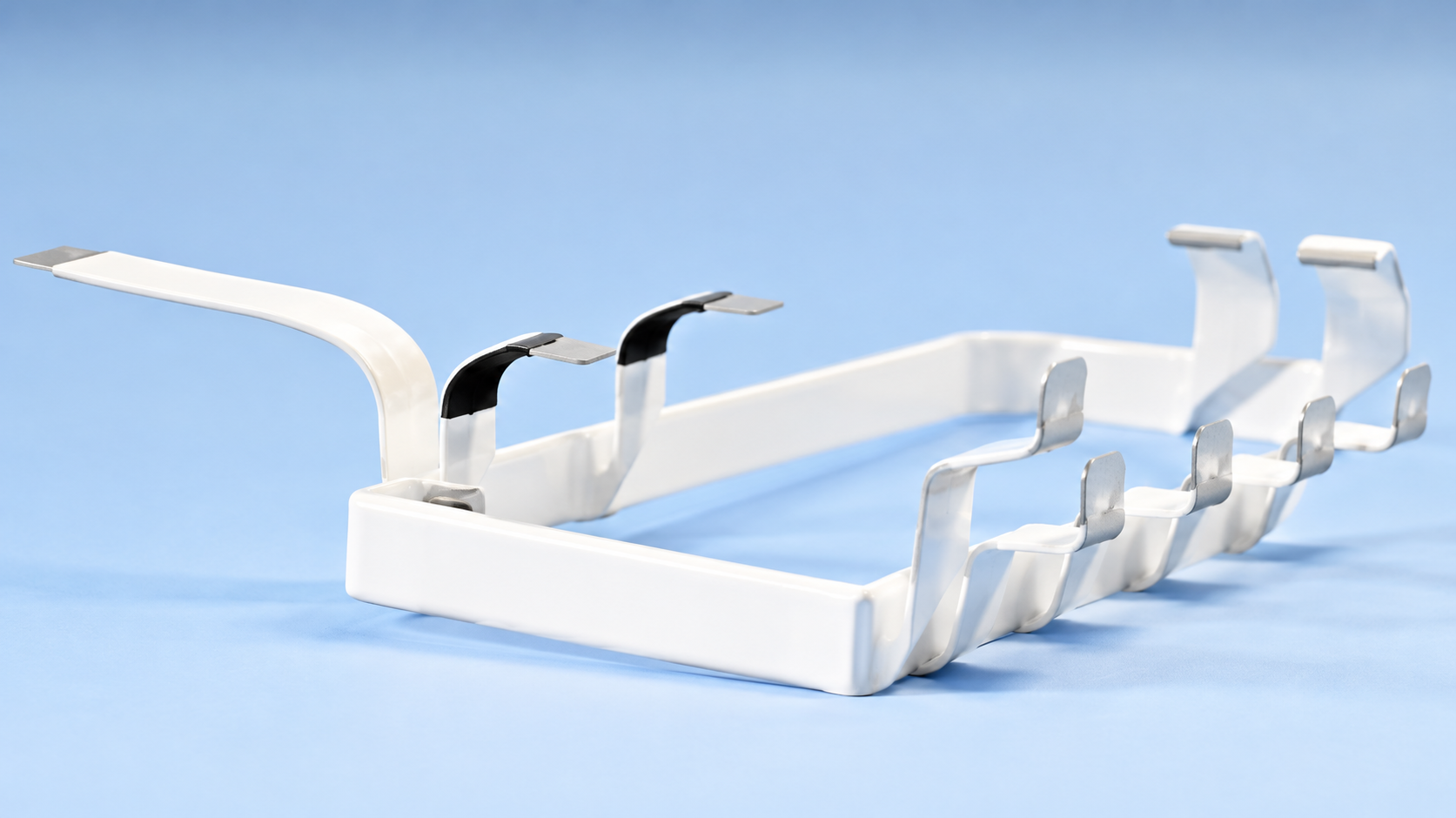 |
- Standard 0.8mm per layer; thicker conductors possible - Possibility to stack several layers |
Yes | - 2 axes - Up to 3 axes depending on the design |
+++ | Capability to combine conductors with different polarities |
| Press-Welded Busbar Used as Flex-Tab Connection |
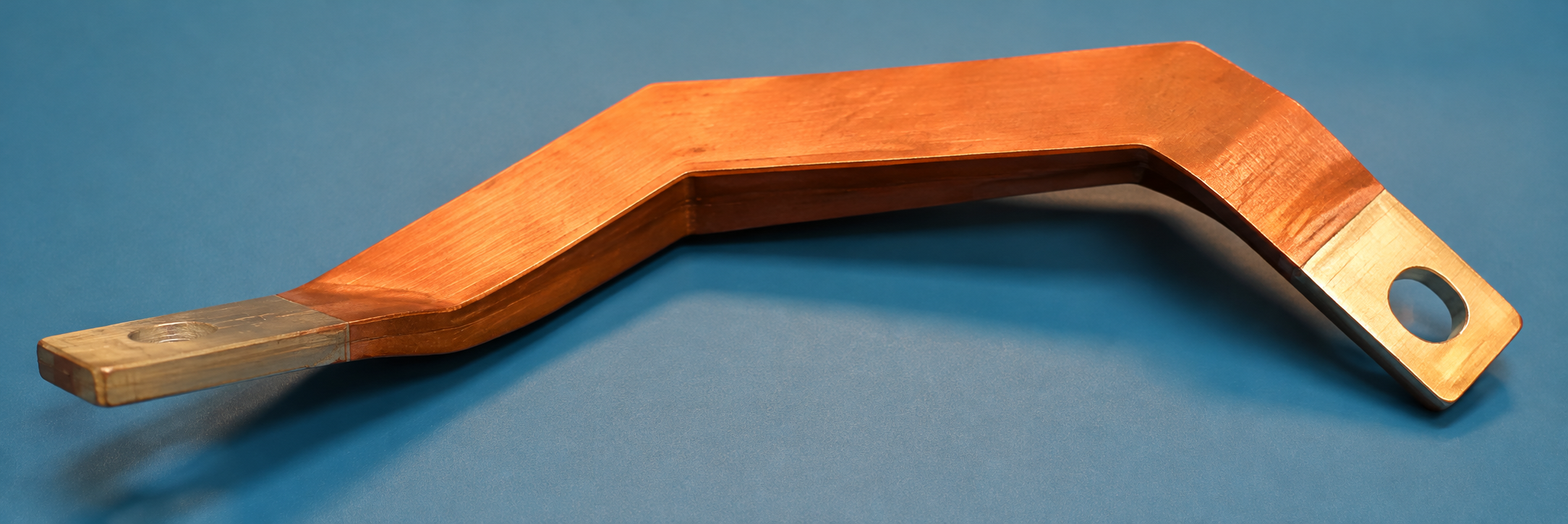 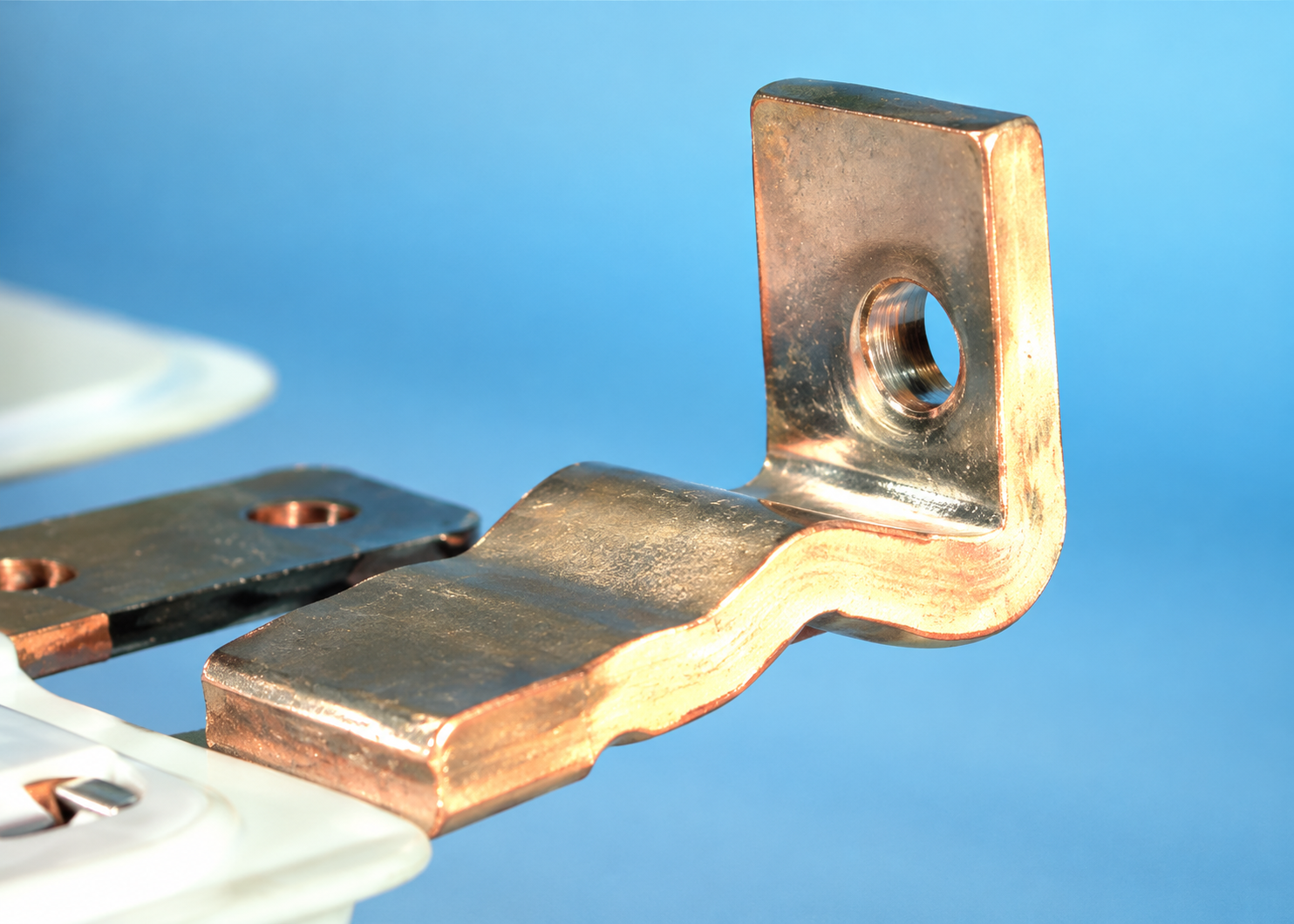 |
Max width: 100mm Max thickness: 10mm |
In option | 2 axes | +++ | - Can be part of a laminated busbar system - High current |
| Ultra-Flexible Cable Combined with PowerLug Technology |
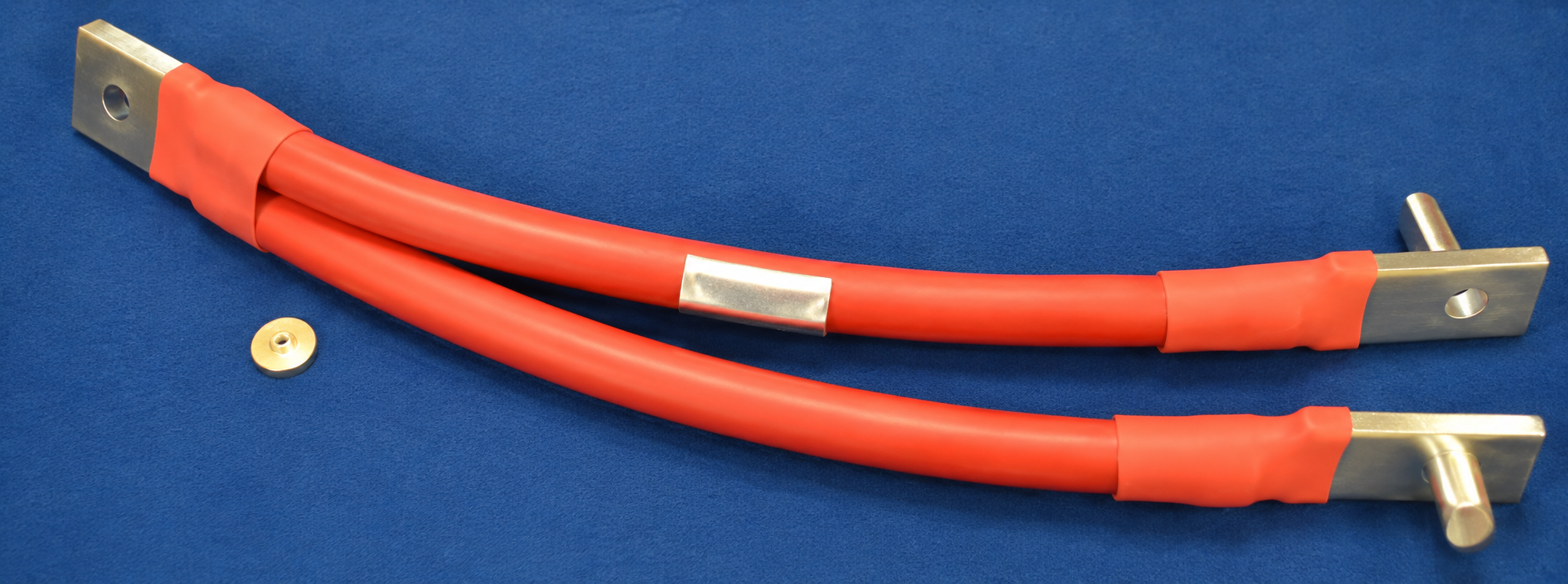 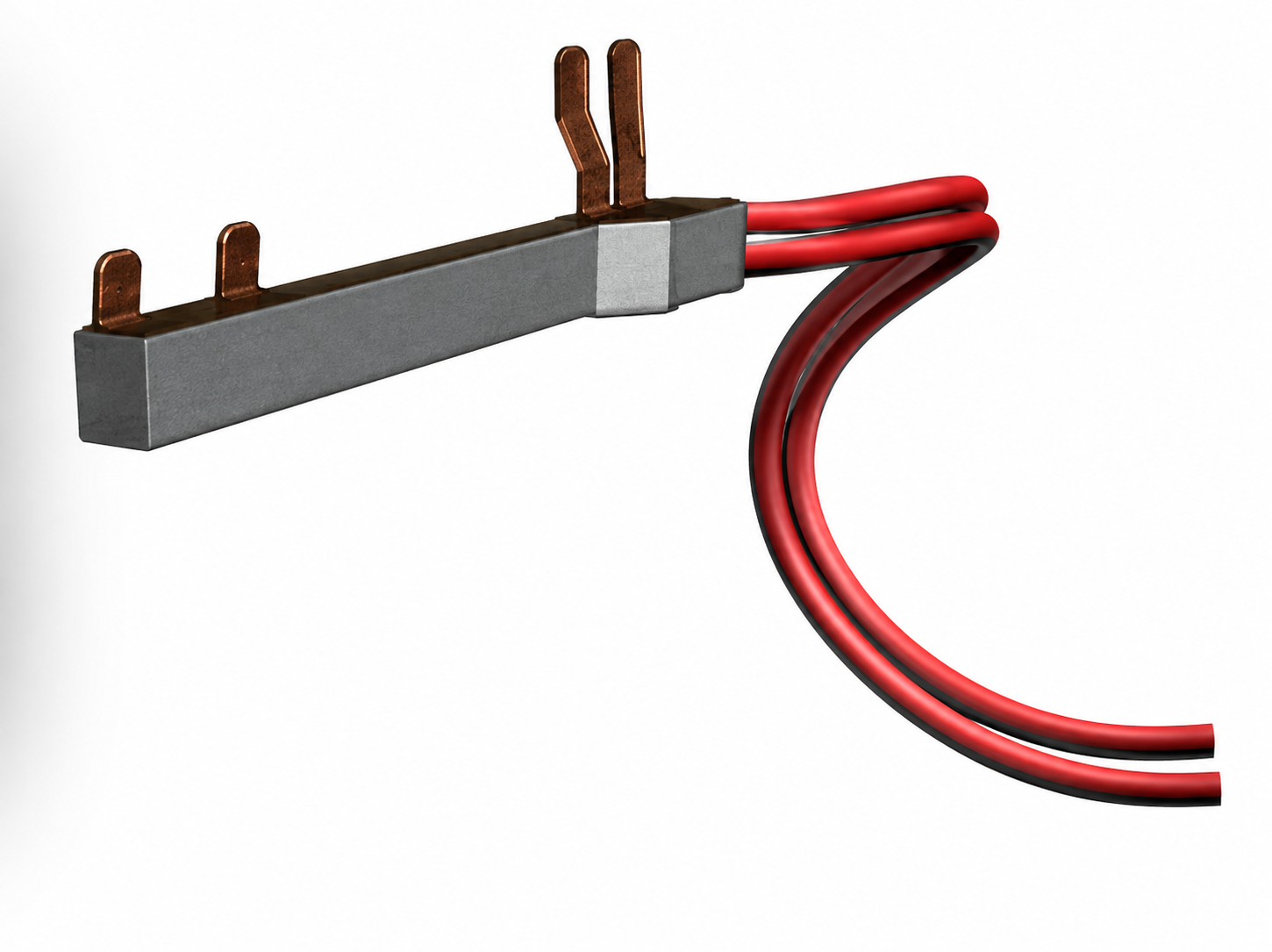 |
Custom development: Max cross-section: 240mm² |
Yes | 3 axes | +++ (depends on the cross-section) |
- Design flexibility - Possibility to integrate locking system - Can be used in high-humidity environments |
Picking the Right Insulation Material for Your Unique Design Considerations
Selecting the right insulation technology depends on the specific requirements of each busbar application. Lamination provides a thin, efficient package with strong dielectric performance; powder coating offers durable, economical surface protection; and overmolding provides a high level of mechanical and environmental integration. Depending on the application, busbars may also utilize thin-film laminates, wraps, edge sealing, or other application-specific insulation materials and processes.
For high-voltage power distribution, insulation selection and validation can be critical to long-term reliability. Testing may include insulation resistance and dielectric withstand testing, along with evaluation for potential defects or environmental effects such as pinholes, laminate cracks, moisture absorption, and contamination. Edge-sealing techniques can further enhance laminated designs by providing additional protection at the insulation interface in demanding operating environments.
The Right Electrical Busbar Configuration Depends on the Constraint
There is no single electrical busbar configuration that meets every power distribution requirement. Busbar construction should be selected based on the specific electrical, mechanical, thermal, and packaging demands of the application.
Key considerations include voltage and current requirements, available space, thermal management, mechanical tolerances, vibration and environmental exposure, manufacturing complexity, tooling economics, and connector integration. These factors influence the choice of conductor material, geometry, insulation technology, number of layers, and overall busbar construction.
Designed for Harsh-Environments and Mission-Critical Platforms
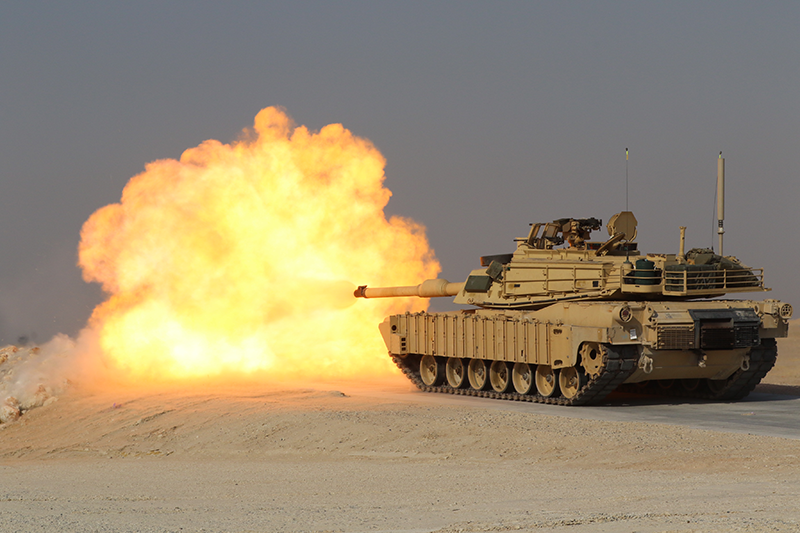
High-current busbars are among the most critical subsystems throughout the dense system architectures within modern harsh-environment applications. Electrical busbar systems are utilized throughout military aircraft, ground vehicle systems with microgrids, drones, missile systems, radar systems, directed energy weapon systems, commercial aircraft, eVTOL aircraft, satellites, and more. Each application presents unique electrical, mechanical, thermal, and environmental challenges that must be considered as part of the overall power distribution architecture.
Our engineers work closely with you and your team to address requirements such as vibration, shock, temperature, humidity, altitude, EMI, thermal management, connector integration, packaging, and long-term reliability.
By integrating these considerations into a purpose-designed current path, custom busbars can complement traditional cable and wiring solutions while helping optimize space, weight, performance, and system integration.
From concept through production, Amphenol Commercial Air works with you to develop custom busbar solutions engineered around the unique requirements of your platform. Contact us to discuss your next power distribution application.